Base Rate Held at 3.75% – Why Are Swap Rates Driving Mortgage Changes?

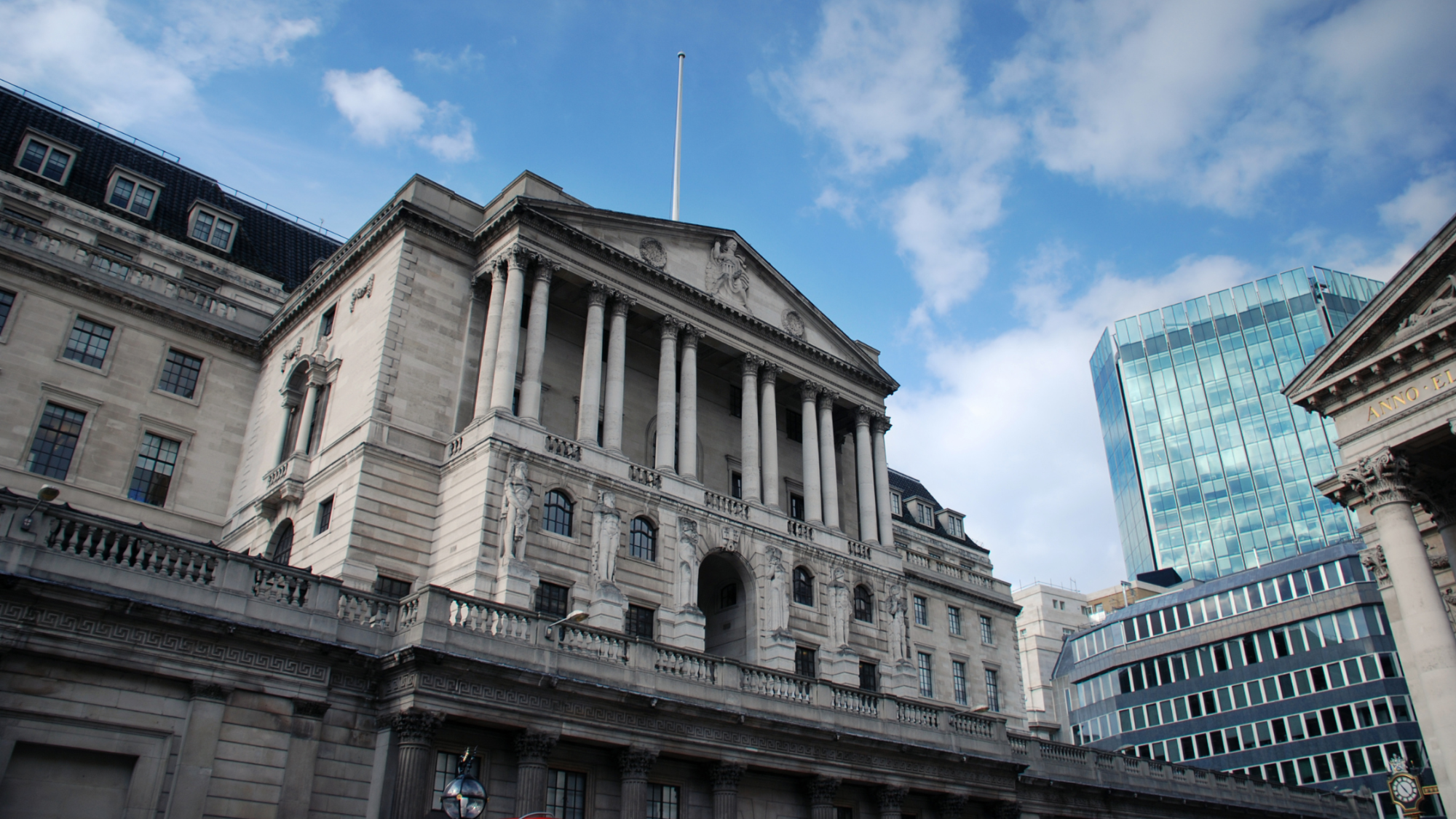
The Bank of England has today held the base rate at 3.75%, unchanged since its reduction on 18th December 2025.
However, since March 2026, mortgage pricing has moved – first upwards, and more recently easing in some areas. For many borrowers, that can feel difficult to reconcile with a base rate that hasn’t changed.
The explanation isn’t immediately obvious.
Jump to:
What Actually Influences Mortgage Rates
While the base rate plays an important role in the wider economy, lenders typically price fixed-rate mortgages based on their funding costs, which are heavily influenced by swap rates.
Swap rates reflect market expectations of where interest rates may go in the future.
They are shaped by:
- Inflation expectations
- Economic outlook
- Global events and uncertainty
Because of this, mortgage rates are forward-looking and can move independently of the base rate.
This is where a key concept comes in – one that most borrowers never see, but which plays a major role in mortgage pricing.
What are swap rates (and why do they matter)?
Swap rates sit behind the scenes of fixed-rate mortgages. They don’t directly affect your mortgage rate day-to-day, but they play a key role in how lenders set their pricing.
In simple terms, they reflect what financial markets expect interest rates to be in the future. Lenders use them to help manage their own cost of borrowing when offering fixed-rate deals.
Because of this:
- If swap rates rise, fixed mortgage rates usually increase
- If swap rates fall, mortgage rates can begin to reduce
This is why mortgage rates can move – sometimes quite quickly – even when the Bank of England base rate stays the same.
What’s Been Happening in the Market
Earlier this year, there had been a general expectation that mortgage rates would gradually fall.
That expectation shifted quickly.
As funding costs rose, lenders increased rates – in some cases quite sharply – and the number of available mortgage products reduced.
More recently, we’ve started to see signs of this trend stabilising. Some lenders have begun making measured reductions to new fixed-rate deals as market conditions have improved slightly.
However, rates remain higher than they were before this period of volatility, and pricing continues to change.
What’s Driving These Movements
A key factor has been the impact of the conflict in the Middle East, particularly involving Iran.
This has:
- Increased global energy prices
- Added inflationary pressure in the UK
- Created uncertainty in financial markets
As a result:
- Expectations of base rate cuts have been pushed back
- At times, markets have priced in the possibility of rates staying higher for longer
More recently, signs of easing tensions have led to some improvement in market sentiment. This has contributed to a slight reduction in swap rates – which is now feeding through into some mortgage pricing.
Why Mortgage Rates Move – Even When the Base Rate Doesn’t
The Bank of England takes a measured approach, based on confirmed economic data.
Financial markets behave differently. They react quickly to new information and adjust based on expectations of what may happen next.
This is why we can see both increases and reductions in mortgage rates, even while the base rate remains unchanged.
In effect, mortgage pricing is constantly adjusting to the outlook – not just the current position.
What This Means in Practice
If you’re reviewing your mortgage, it’s important to understand that rates don’t always move in line with the base rate.
We’ve seen pricing increase quickly, and more recently begin to ease in some areas – all without any change in the base rate itself.
That kind of movement can make timing feel uncertain, particularly if you’re waiting for conditions to improve.
In reality, the “right time” often depends more on your own position than trying to predict the market.
Prism’s Perspective
This is where expert advice becomes particularly valuable.
Understanding what’s driving lender behaviour and how that may affect your options is more important than following base rate decisions alone.
At Prism, we monitor these underlying movements to help you find the most suitable and cost-effective solution based on your individual circumstances.
Your Home (or property) may be repossessed if you do not keep up repayments on your mortgage or any other debts secured on it.
Some forms of Buy to Let mortgages are not regulated by the Financial Conduct Authority.
A fee may be charged for mortgage advice. The exact amount will depend on your circumstance.